Revision History
Updated publication: Nov 5, 2026
Author: Samantha Leonie
Original Publication: Nov 5, 2026
Author: Samantha Leonie
Healthcare Marketing Blogs – MediVerticals


Cosmetic surgery marketing has changed more in the past five years than it did in the two decades before them. Patients no longer rely only on a friend’s referral or a magazine ad. They search, scroll, compare surgeons, read reviews, and watch recovery stories long before they call a front desk. For aesthetic practices across the United States, that shift means the clinic that shows up at the right moment usually wins the consultation. This guide covers the strategies that help practices earn trust, attract qualified patients, and grow without cutting corners on compliance.
A good cosmetic surgery marketing agency starts with an honest picture of what patients want. Most people considering a procedure are curious, nervous, and careful with their money. They want proof of skill, realistic expectations, and a team that listens. Practices that treat marketing as patient education tend to build steadier pipelines than those chasing quick promotions. In the sections below, you will see how cosmetic surgery digital marketing, local search, paid campaigns, and analytics fit together, and where privacy and advertising rules shape what you can say.

A cosmetic surgery marketing strategy starts with measurable business goals. Decide what growth means for your practice this year, such as 40 or more consultations a month or a higher share of facial procedures. Tie every goal to a figure your team can track, like booked consultations, cost per inquiry, or average case value. A goal such as “more visibility” cannot be measured, so it leads to scattered spending. Write each target down with a deadline, for example, “30 booked consultations by the end of the quarter,” and share it with everyone who handles patient inquiries. If you need help turning those targets into a working plan, the team at MediVerticals works with healthcare practices to build marketing around measurable goals.
Before you commit a budget, check your real capacity:

A cosmetic surgery marketing plan is a written guide that connects your growth goals to the actions, budget, and deadlines needed to reach them. It names who you want to reach, what they need to hear, which channels you will use, and how you will measure results. The strongest plans start with audience research and patient intent. A woman researching a mommy makeover thinks differently from a man asking about rhinoplasty. Review past consultations, listen to the questions patients ask on calls, and sort searches by stage. Next, sort those searches by intent and build content for each stage:
Once you know your audience, organize the plan into three 30-day phases:
There is no single page that can answer the questions of a rhinoplasty patient and a mommy makeover patient. Create your content around what each group researches first:
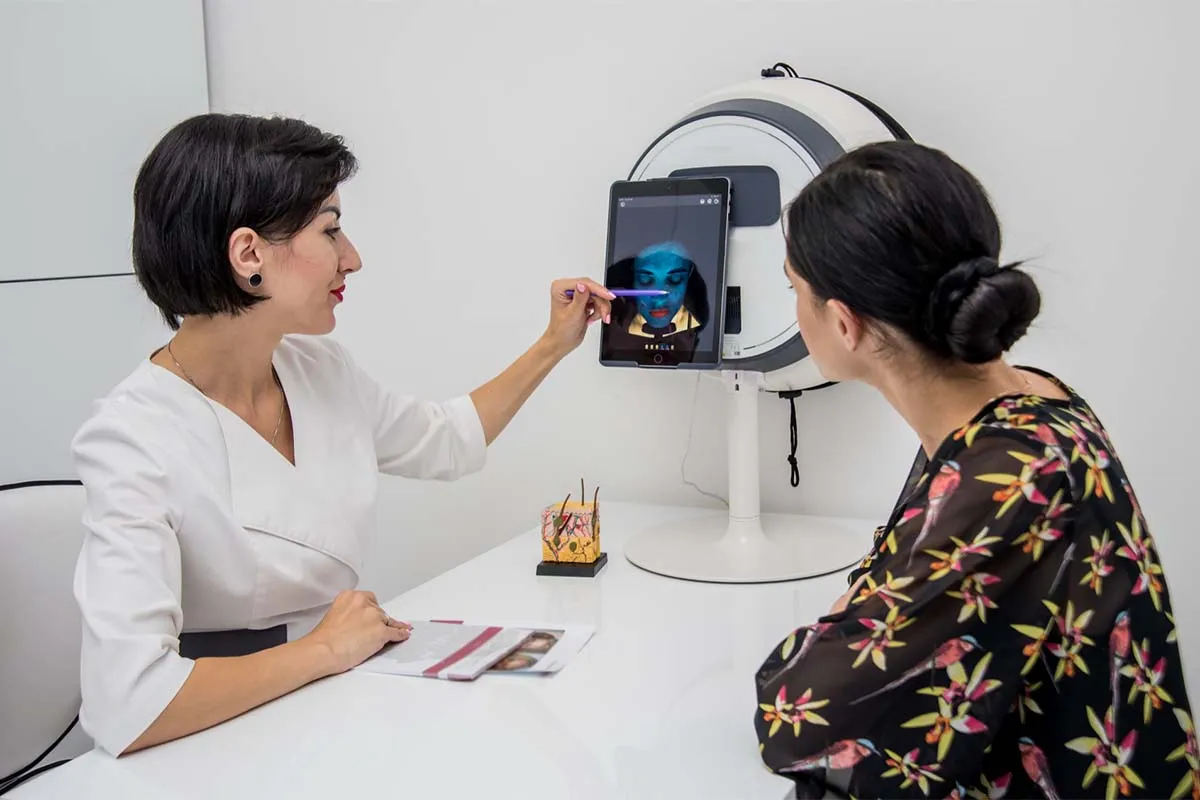
Cosmetic surgery digital marketing rarely succeeds through one channel alone, because patients pass through several before they book. A woman considering breast augmentation might find a surgeon on Instagram, search that name on Google, read reviews, and submit a form two weeks later. Each accounts for a different job. Search catches active demand, social builds familiarity, email revives stalled inquiries, and reviews settle doubts. Rank your channels by cost per booked consultation, not cost per click.
Start with two channels that pass all five checks, and give them 90 days before judging results. Here is a hypothetical example. Say a practice runs two campaigns.
Campaign A brings in 100 inquiries at $30 each, which is $3,000 in spend, but only five become booked consultations. That works out to $600 per consultation. Campaign B brings in 40 inquiries at $60 each, which is $2,400 in spend, and 15 of them book. That works out to $160 per consultation. The first campaign looks cheaper in a report, yet the second one fills the schedule. This is why cost per booked consultation tells you more than cost per lead. A channel that sends cheap traffic but few real consultations costs more than it appears to.
Before adding any new channel, test your own channel:
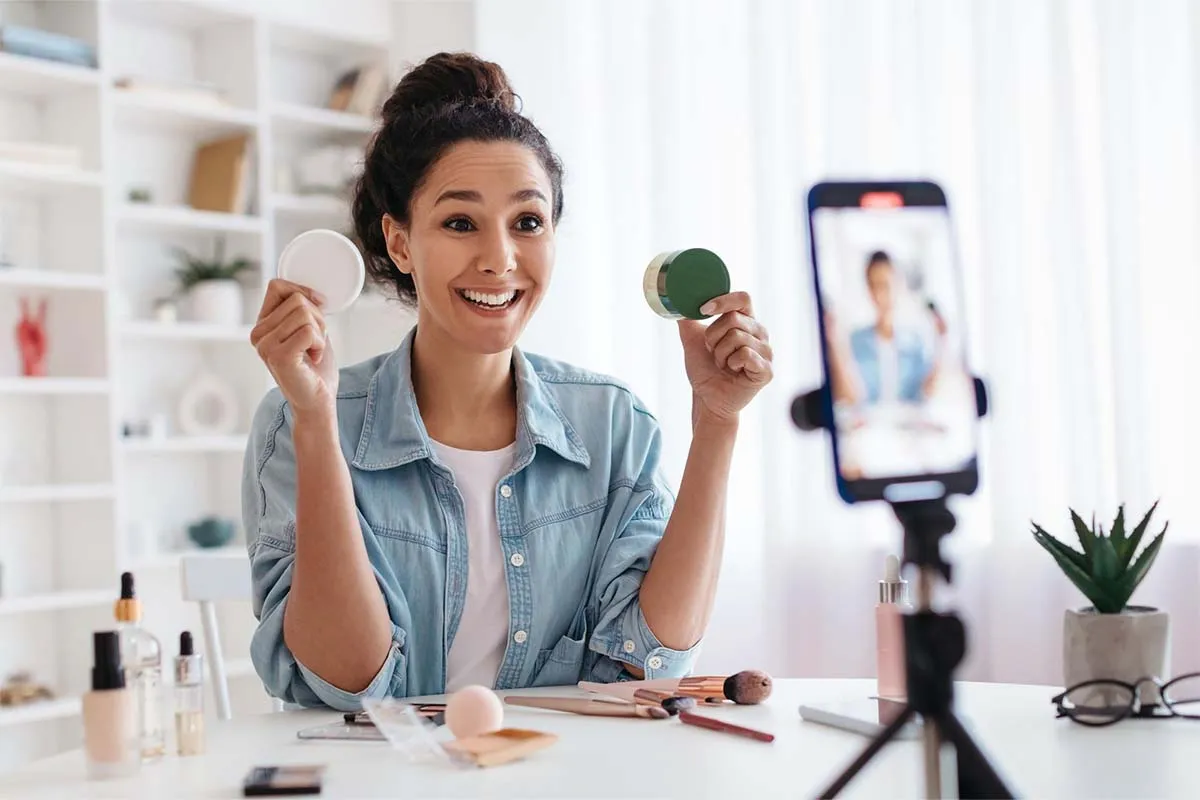
Social media marketing cosmetic surgery practices works best when each platform gets its own approach.
Posting identical content everywhere wastes effort, because each audience expects a different format and tone. Strong content ideas include:
Local search is the backbone of cosmetic surgery digital marketing for most clinics. When someone searches for a surgeon in your city, the map results often decide who gets the call. Claim and complete your Google Business Profile, choose accurate categories, and keep your name, address, and phone number identical everywhere they appear online. Add real photos of your office and team, and post an update at least once a week. Small inconsistencies in listing details can quietly lower your ranking, so audit them every quarter.
Add these local SEO pieces:
Paid search and paid social ads serve different purposes in cosmetic surgery advertising. Google Ads captures people who are actively looking, so your budget should go toward high-intent terms like “rhinoplasty surgeon” plus your city. Paid social ads reach people who were not searching yet but fit your ideal patient profile. Use search to harvest demand and social ads to create it. Give each new campaign two to four weeks before judging it, since early numbers are often too thin to trust. Google also applies specific policies to healthcare and medicines advertising, so read the current rules before you launch a campaign.
Landing pages decide whether that traffic becomes consultations. Build them carefully:
Patient permission and advertising rules are two separate checks. HIPAA-covered practices generally need a signed authorization before using patient photos, videos, or testimonials in marketing, unless an exception applies. A casual “yes” or a general consent form is not a substitute. That authorization lets you share a patient’s story, but it does not make an exaggerated claim acceptable. The FTC’s Endorsement Guides, updated in June 2023, cover how testimonials and reviews can be used in advertising. Health-related claims need solid support, and reviews should never be edited or hidden to mislead.
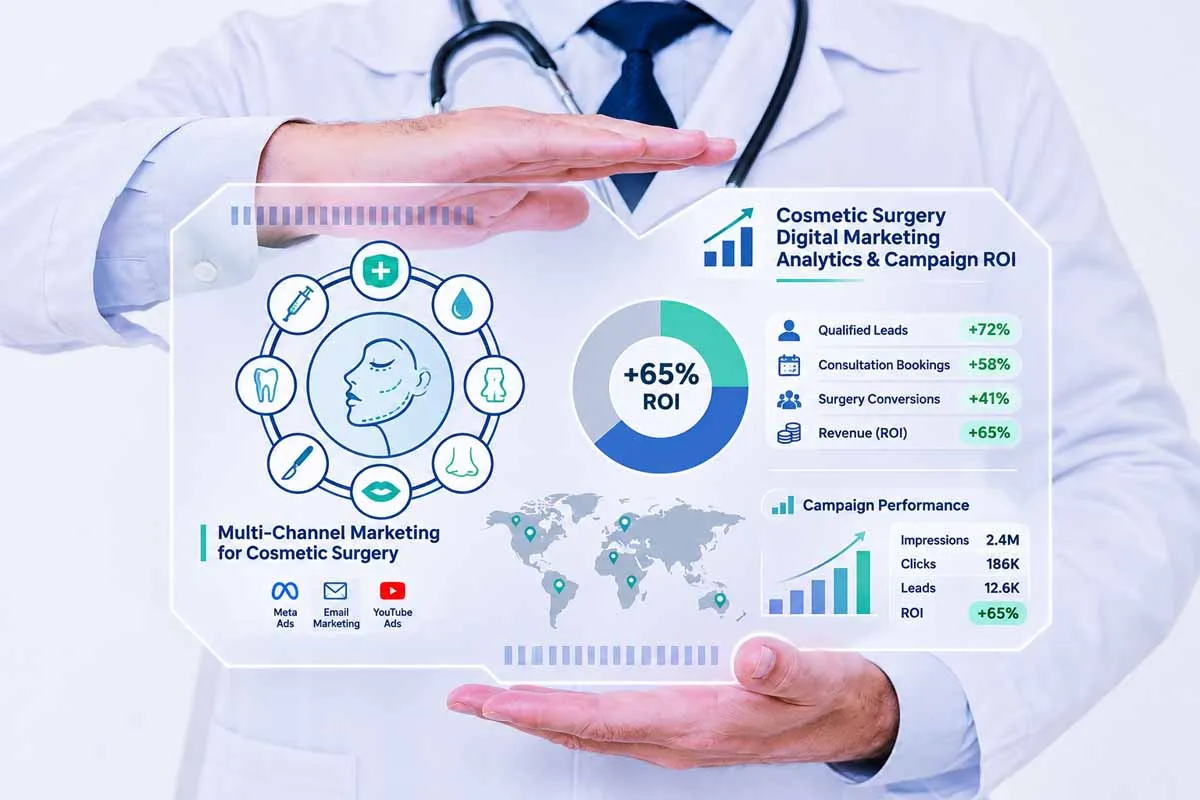
Cosmetic surgery digital marketing only improves when you measure it properly. Set up call tracking, form tracking, and conversion events so you know which channel produced each inquiry. Then follow those inquiries through your CRM to see which ones became booked consultations and which became surgeries. Clicks and impressions feel good, but they do not pay the bills.
Share the findings with your front desk team, since phone handling often affects results as much as the ad itself. If tracking all of this feels like a second job, a healthcare digital marketing partner can set it up, and a healthcare SEO agency or healthcare content marketing agency can turn those findings into pages that attract better-fit patients.
Build a simple reporting rhythm around these numbers:
Patients research heavily before choosing a surgeon, and competition is strong in most US markets. A cosmetic surgery marketing company helps your practice to appear during that research, build credibility, and turn interest into consultations. Without it, even skilled surgeons can remain invisible to the people who would benefit most from their work.
Yes. A smaller facility can compete if it specializes in a specific procedure, a specific area, and if the surgeon has first-hand experience. Strong reviews, helpful content, and a well-kept Google Business Profile go a long way, since patients care about trust and quick replies as much as practice size.
A good plan does not stop at the first booking. Follow-up emails, information, post-recovery check-ins, and reminders of future treatment sessions keep patients connected with your practice. Those interactions help keep patients happy and more inclined to refer you, and they are more likely to come back for their next procedure.
Get a signed HIPAA authorization before using a patient’s photo, video, or testimonial in marketing, unless an exception applies. A general consent form is not enough. Keep claims truthful under FTC rules, avoid identifying details in public replies, and have counsel review any campaign built on patient stories.
Growing an aesthetic practice takes patience, and the clinics that succeed treat cosmetic procedure marketing as an ongoing system, not a one-time project. Have a clear objective, know the intent of the patient, select some good channels to use, and measure real numbers. If your team does not have the time, you can work with a cosmetic surgery marketing agency or cosmetic surgery marketing company that has the right experience for this. Choose a healthcare digital marketing agency to support your SEO, content, and patient acquisition efforts, a partner that can grasp healthcare compliance, give real consultation reports, and foster patient confidence. Ready to turn your marketing into booked consultations? Reach out to the MediVerticals team and start with a conversation about your practice goals.

No authors found.