Healthcare Marketing Blogs – MediVerticals


Imagine this: Your phone rings, but it’s a price shopper hunting for Medicaid rates you can’t run on. Meanwhile the private-pay family down the road just signed with the agency that showed up first in their Google search.
That gap is what good home care marketing strategies close. The right families, finding you at the moment they’re worried and searching for help. Strong marketing strategies for home care growth do more than raise awareness; they put your agency in front of the right family at the exact moment they decide.
This guide walks through 10 home care marketing strategies for 2026, ordered by what actually fills your caseload. The free, referral-driven moves come first. The bigger-budget plays come later. Start with two or three, measure what works, then add more. Whether you run a brand-new startup or an established brand, these marketing strategies for home care businesses are built to scale with you.
Table of Contents

Understanding the importance of home care marketing strategies
There are more than 35,000 home care companies in the US, and the number climbs every year. Great care alone won’t make a family pick you. They have to find you, trust you, and believe you’ll show up before they ever dial your number. This is why home care agency marketing strategies matter so much: visibility, not just quality of care, decides who a worried family calls first.
That’s the whole job of marketing. It carries your reputation into the moment a stressed adult child is comparing three agencies at midnight. Roughly 89% of healthcare consumers read online reviews before they trust a provider, and most read about 10 first. If you’re invisible at that moment, the family hires whoever wasn’t. The same truth drives marketing strategies for home health care providers, since families weigh both kinds of help the same way.

Top 10 marketing strategies for home care businesses
Here’s the part most lists skip: you should not run all 10 of these at once. You’ll spread yourself thin and quit before any of them work.
The 10 strategies below are ranked on purpose. The first few cost little or nothing and bring in qualified, private-pay families fast, mostly through referrals and local search. The later ones cost more and build slower, steady visibility over months. Treat the list as a menu of marketing strategies for home care agencies, not a checklist you finish in a week.
If you’re starting from scratch or working with a tight budget, pick the first two or three. Get them running. Track which ones bring real inquiries. Once those hum along on their own, layer in the next one. Slow and steady beats a scattered blast that burns you out by week three. That patience is what separates working marketing strategies for home care businesses from busywork.

1. Build a patient friendly website
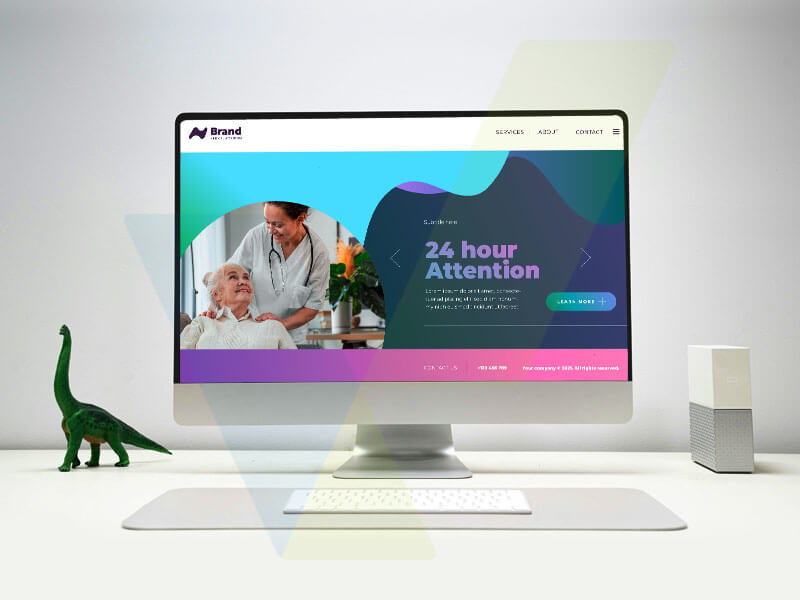
Your website is the first handshake. A worried daughter lands on it and decides in about 10 seconds whether she trusts you with her mom. So the site has to answer one question fast: can these people take care of someone I love?
Make it load quick and work on a phone, because most of these searches happen on a phone at the kitchen table. Put your services in plain words. Skip the jargon. List the towns and zip codes you cover so families know they’re in your area. Add a click-to-call button that’s impossible to miss, plus a short contact form that doesn’t ask for medical details up front.
Then prove you’re real. Photos of actual caregivers, not stock models. Short bios. A few testimonials near the top. A simple FAQ that answers the scary questions: how fast can you start, what does it cost, and are your caregivers screened? Your website is the anchor for every other digital play, so the best home care provider online marketing strategies all point traffic back to a page like this.
Here’s the mistake almost every agency makes. The site talks about the agency. “We are a leading provider with compassionate staff.” Families don’t care about that yet. They care about what they get: peace of mind, a reliable caregiver, a parent who’s safe at home. Write every page from their side of the table. That one shift turns a brochure into a phone call.

2. Invest in local SEO
When someone types “home care near me” or “senior care in [your town],” you want to be one of the first three results they see. That’s local SEO, and for a home care agency it’s some of the cheapest growth you can buy, because the people searching already want what you sell. Of all the home care provider online marketing strategies, this is the one that compounds.
Start with your Google Business Profile. Claim it, fill in every field, add real photos, and keep your name, address, and phone identical everywhere they appear online. Google trusts consistency. Then build a separate page for each area you serve, like “home care in Clearwater” and “home care in Largo,” instead of cramming every town onto one page.
If you cover a whole region, use a hub-and-spoke setup: one main service page linking out to smaller location pages under it. This is how you compete for “near me” searches even without a storefront, which most home care agencies don’t have.
Don’t forget the senior-care angle. Families also search “aged care near me” and “in-home care for elderly parents,” so work those phrases into your page titles and headings naturally. Local search is the backbone of any aged care marketing strategy. Local SEO won’t pay off overnight. But six months in, it quietly sends you qualified inquiries every week while you sleep, and you’re not paying per click for any of them.
3. Write content that educates families
Most families have never hired home care before. They’re confused and a little scared, and they’re typing their questions into Google at 2am. Every one of those questions is a chance for your agency to show up and help first.
Write the articles that answer them. “5 signs your parent may need home care.” “Home care versus home health: what’s the difference?” “How to pay for in-home care without draining savings.” When you answer the question that’s keeping someone up at night, you become the agency they already trust before they call. This is where home care business content marketing strategies earn their keep.
This also wins you the new front door of search. In 2026, a lot of people get their answer straight from AI tools like Google’s AI Overviews, ChatGPT, and Perplexity without clicking a single link. Those tools pull from clear, helpful, well-organized pages. So write plainly, use real headings, and answer one question per article. The best home care business content marketing strategies are built for both the worried reader and the AI summarizing the page.

A few home health marketing ideas to start: a short monthly post answering a common family question, a simple checklist they can download, a plain-English guide to your services. You don’t need 50 articles. You need the 8 or 10 that match what families actually search. These same home health marketing ideas double as home care business content marketing strategies you can reuse for years. Publish twice a month, stay consistent, and over time Google and the AI tools start treating you as the local authority. That authority is what turns a reader into an inquiry. It’s also where marketing strategies for home health care and home care content overlap most, since both serve a family hunting for answers.

4. Generate referrals from healthcare professionals
Referrals from healthcare pros are the best clients you’ll ever get. They’re warm, they’re qualified, and they trust you before the first call. The 2021 Home Care Benchmarking Study found that 6 of the top 20 sources of home care clients came straight from healthcare professional referrals. So this isn’t a side strategy. For many agencies, home care referral marketing strategies are the whole engine. Of every channel in your home care marketing strategies, referrals deliver the warmest leads.
The people you want to know are hospital discharge planners, skilled nursing case managers, and primary care physicians. Here’s where most agencies get it wrong: they walk in and pitch themselves. “We’re reliable, we’re compassionate, here’s our brochure.” That planner has heard it 100 times.
Flip it. Lead with their problem. A discharge planner’s nightmare is sending a patient home and having them bounce back to the hospital in a week. So show them how you prevent that: fast start times, clear updates, documentation that makes their job easier. You’re not asking for a favor. You’re making their hard day easier.
Then follow up like a human. Drop by. Remember names. Send a quick thank-you when they refer someone. One solid referral relationship can feed you clients for years, which is why home care referral marketing strategies beat almost everything else on this list for return on effort. Build five of these and you may never run a cold ad again.
5. Post video and text testimonials to build trust
Home care is a trust purchase, maybe the biggest one a family ever makes. They’re handing you the key to their parent’s house. Words on your own website only go so far. What moves people is another family saying “they took good care of my dad.”
That’s social proof, and it’s powerful here. Around 79% of people trust online reviews as much as a personal recommendation from a friend. So a wall of real, recent testimonials does more selling than any clever headline you could write. Social proof like this sits at the heart of strong home care agency marketing strategies.
Collect them on purpose. After a few good weeks of care, send the family a short, friendly text or email asking if they’d share a sentence or two about their experience. Make it easy. Give them a direct link to your Google profile. For the families happy to go further, a 30-second phone video of them talking is gold.
One thing you can’t skip: consent. Get written permission before you use anyone’s name, face, or story, and never share health details without it. This protects the family, keeps you compliant, and honestly builds more trust because it shows you respect privacy. Then put those testimonials where they matter: near the top of your homepage, on your service pages, on your Google profile, and across social. Recent and specific beats old and generic every time.


6. Run targeted Google Ads campaigns
Some families aren’t researching. They need care this week, and they’re searching with their wallet open. Google Ads puts you at the top of those high-intent searches the moment they happen. It’s the fastest way to turn on the lead tap, as long as you do it right. Paid search is the quickest of all home care marketing strategies, but also the priciest.
Target the searches that signal real need, like “Medicare-certified home care near [city]” or “24 hour in-home care [city].” Set your targeting to the zip codes you actually serve, or a radius around the hospitals you work with. Build separate ad groups for each service you offer, so a family searching for dementia care doesn’t land on a generic page.
That last part matters most. The ad is only half the job. Send every click to a focused landing page that matches what they searched, with one clear button to call or request care. Send them to your homepage instead and you’ll pay for clicks that go nowhere.
Be honest with yourself about cost. Ads work fast, but they cost real money, and the bill keeps coming as long as they run. Track every call and form fill so you know your true cost per client. Use ads to fill gaps and launch new areas quickly. Then let your free channels, referrals and local SEO, carry the long-term load.
7. Invest in social media marketing
Social media for home care isn’t about going viral. It’s about showing a worried family that you’re real, warm, and still here next month. When they find your page and see months of caring, consistent posts, that quiet proof does a lot of the convincing for you. It’s one of the most underrated home care provider online marketing strategies for staying top of mind.
Know who you’re actually talking to. The patient is often an elderly parent, but the person choosing the agency is usually their adult son or daughter, somewhere between 45 and 65. That decision-maker spends time on Facebook. So that’s where a home care agency should plant its flag first, before chasing every new platform. For an aged care marketing strategy, Facebook is almost always where you start.
Post things that build trust, not noise. A caregiver spotlight that introduces a real face. A simple home-safety tip for winter. A fall-prevention checklist. A thank-you to a referral partner or a local senior center. These small, human posts tell families exactly what working with you feels like. They’re also easy home health marketing ideas you can batch a month at a time.

Stay consistent more than you stay clever. Three to five honest posts a week beats one polished video a month. You’re not trying to entertain. You’re trying to be the familiar, trustworthy name a family already feels good about when the day comes that they finally pick up the phone.

8. Create short reel format videos
Healthcare video marketing does something your website never can: it lets a family see a real person’s face and hear a kind voice before they ever meet you. For a parent’s care, that human glimpse lowers the fear faster than any paragraph of text. Short video has quietly become one of the most effective home care marketing strategies.
Short-form video is where attention lives now. Reels on Instagram and Facebook, YouTube Shorts, and TikTok all reward quick, real clips. And the families researching care, plus their adult kids, are scrolling these feeds every day.
You don’t need a studio or a film crew. A phone and decent daylight is enough. Keep each clip 30 to 60 seconds. Good ideas: a caregiver introducing herself, a quick “what to expect on day one,” a 20-second safety tip, or a gentle answer to a common worry like “will the same caregiver come each time?”
Skip the pressure to look perfect. Polished and corporate actually works against you here, because care is personal and a little rough-and-real reads as honest. Film a handful of clips in one afternoon, post them across all the short-form platforms, and reuse the best ones on your website and in your Google profile. Steady, friendly faces build the kind of trust that turns a scroll into a phone call.
9. Sponsor community events
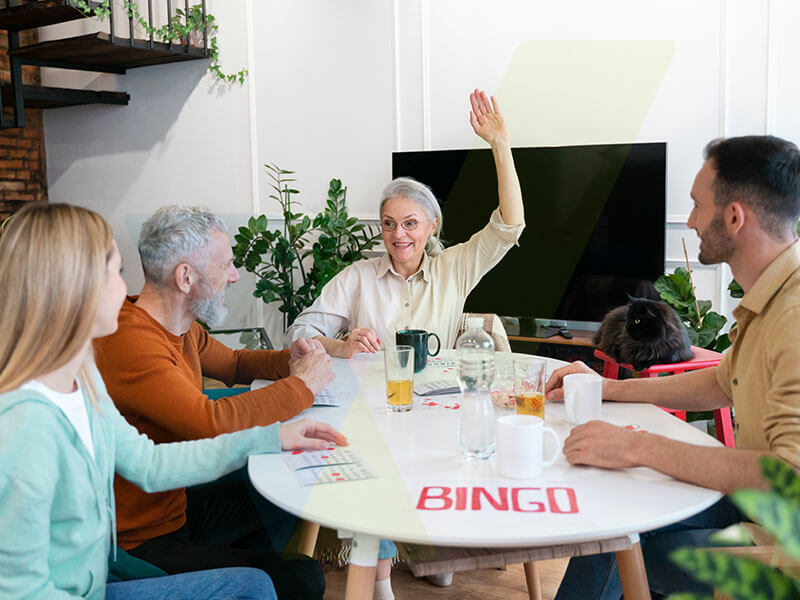
Some of your best clients will never find you online. They’ll meet you at a health fair, a senior center bingo night, or a caregiver support group at the local library. Showing up in person builds a kind of trust the internet can’t match, because people can shake your hand and look you in the eye.
Find the places your future clients and their families already gather. Senior centers, churches and mosques, assisted living open houses, Alzheimer’s walks, and local health fairs. Sponsor a booth. Donate to a fundraiser. Better yet, offer to give a free 20-minute talk on something useful, like “5 signs it’s time for extra help at home” or how to prevent falls. A talk like this is one of the most overlooked home health marketing ideas around.
When you teach, you stop being a salesperson and become the local expert. That’s a position families remember. The woman who heard you speak at the library in March may not need you until September, but when she does, you’re the only name she trusts.
There’s a bonus here too. The same rooms full of discharge planners, social workers, and senior-center directors are your referral partners from strategy 4. This is where home care referral marketing strategies and community events feed each other. Show up enough times and your agency becomes the familiar face everyone points to when someone asks, “who do you recommend?” Community events anchor a local aged care marketing strategy better than almost anything online.

10. List your agency on business listings sites
When a family starts looking for care, they rarely stop at one website. They check the big directories, read the reviews, and compare a few names side by side. If your agency isn’t on those lists, you’re invisible at the exact moment they’re choosing. Directory listings round out your home care marketing strategies with almost no upkeep.
Get listed everywhere it counts. Start with your Google Business Profile, then add the senior-care heavy weights families actually use: Caring.com, A Place for Mom, and Medicare’s own Care Compare tool if you qualify. Add Yelp and your local chamber of commerce too.
Keep one thing identical across all of them: your name, address, and phone number, spelled and formatted the same way every single time. Mismatched listings confuse Google and quietly hurt your local search rank, so this small bit of cleanup pays off twice.
Here’s how it all connects. Strong listings feed your local SEO from strategy 2. The reviews on those listings build the trust from strategy 5. And families browsing them are deep in deciding mode, ready to call. It’s one of the lowest-effort wins on this whole list. Set the listings up once, ask happy clients to leave reviews there, and they keep working for you for years with almost no upkeep. Listings are a quiet pillar of effective home care agency marketing strategies.
FAQs about home care marketing strategies
How do I track marketing strategies for home care growth?
Keep it simple. Ask every new caller “how did you hear about us?” and log the answer. Add UTM tags to your online links so Google Analytics shows which page or ad sent them. Within a month you’ll see which home care marketing strategies bring real inquiries and which just bring noise.
How do I measure ROI for home care marketing strategies?
Follow the money in three steps. First, your cost per qualified lead. Second, your cost per client who actually signs. Third, the lifetime value of that client over the months they stay. Compare those numbers across channels. Referrals usually win on cost, ads win on speed. Run this math across all your home care marketing strategies and the winners reveal themselves.
What are simple home health marketing ideas for beginners?
Start free. Claim and fill out your Google Business Profile. Ask three happy families for reviews. Build one real referral relationship with a discharge planner. Write one helpful post answering a question families actually ask. Four small moves, no budget, and you’ll feel traction within weeks.
What channels work best in an aged care marketing strategy?
For aged care, three channels do the heavy lifting: healthcare referrals, local SEO, and Facebook. They all reach the real decision-maker, usually an adult child between 45 and 65 choosing care for a parent. A simple aged care marketing strategy starts with referrals for quality, then adds local search and Facebook for steady reach.
How do home health care marketing strategies differ from home care marketing?
Not by much. Home health care marketing strategies lean a little harder on clinical credibility and physician referrals, while home care leans on warmth and local trust. But the playbook overlaps: clear positioning, local SEO, referrals, and consistent content. Run home health care marketing strategies on the same disciplined system and they pull the same qualified families.
How do referrals support home health marketing strategies?
Referrals send you the warmest, most qualified clients you can get. When a discharge planner or doctor recommends you, the family already trusts you before they call. That trust shortens the decision, raises your close rate, and costs you almost nothing. Among all marketing strategies for home health care, referrals stay the highest-return channel, the same way home care referral work anchors marketing strategies for home care agencies. It’s the highest-return channel in home care marketing.
Conclusion
You don’t need all 10 of these tomorrow. Pick the first two or three, the free ones built on referrals and local search, and get them running well. Track what brings real inquiries, then add the next strategy. The strongest home care marketing strategies aren’t the fanciest; they’re the ones you run consistently. Steady beats scattered, every time. The same discipline turns scattered marketing strategies for home care growth into a system that compounds, and it’s exactly how the best marketing strategies for home care agencies are built.
Want a marketing plan built around your agency and your area? The team at MediVerticals can map it out with you. Book a free home care marketing assessment.

Samantha Leonie
Samantha Leonie is a digital marketing manager with expertise in healthcare marketing and patient-focused growth strategies. She leads high-impact digital campaigns that strengthen online visibility, and build trust. Known for her strategic thinking and compliance-driven approach, she delivers marketing solutions that create lasting results.
Samantha Leonie
Samantha Leonie is a digital marketing manager with expertise in healthcare marketing and patient-focused growth strategies. She leads high-impact digital campaigns that strengthen online visibility, and build trust. Known for her strategic thinking and compliance-driven approach, she delivers marketing solutions that create lasting results.
Author
Samantha Leonie
Author
Samantha Leonie is a digital marketing manager with expertise in healthcare marketing and patient-focused growth strategies. She leads high-impact digital campaigns that strengthen online visibility, and build trust. Known for her strategic thinking and compliance-driven approach, she delivers marketing solutions that create lasting results.
Fact Checker
No authors found.
Author: Samantha Leonie