Healthcare Marketing Blogs – MediVerticals


A therapist can be excellent at helping people and still have an empty waiting list. That gap between clinical skill and a full schedule is exactly what mental health marketing strategies are meant to close. This guide walks through what works when you’re trying to reach people who are searching for help, often at a moment when they feel unsure, overwhelmed, or scared to make the first call. Think of a psychiatrist who moved cities and had to rebuild a clinic from zero. Or a group practice that has three open therapist slots and a website that has not changed since 2019.
Both need the same thing: a clear plan for getting found, building trust fast, and turning a visit to the website into a booked appointment. That’s what this article covers, from the tools you’ll need to the exact channels worth your time. Mental health marketing strategies are not the same as marketing a med spa or a dental office. The stakes are personal. People searching for a psychiatrist or therapist are often in some kind of distress, and the way your practice shows up online either eases that or adds to it. Appropriate Healthcare Marketing Trends for mental health professionals, including psychiatry marketing, respects that reality instead of treating patients like leads on a spreadsheet.
Table of Contents

Tools Used in Mental Health Marketing Strategies
- Google Business Profile to show up in local map results when someone searches “therapist near me” or “psychiatrist accepting new patients.”
- A HIPAA-aware CRM to track inquiries without exposing patient information.
- Email or SMS scheduling software so a lead doesn’t sit for three days before someone calls back.
- Analytics tools like Google Analytics and call tracking, so you know which pages and ads bring in booked sessions.
- Content and SEO tools to plan blog topics, keywords, and page structure around what patients type into Google.
- An EHR or scheduling tool that syncs with your intake forms, so no lead sits unanswered
- Healthcare Reputation management software that alerts you to a new review post

Behavioral Health Marketing and Patient-Centered Brand Positioning
Behavioral health marketing works differently from marketing a walk-in clinic. A patient choosing a therapist is choosing someone they’ll be vulnerable to for months, sometimes years. Your brand has to signal safety before it signals anything else.
Patient-centered positioning starts with language. Skip clinical jargon on the homepage. Instead of “We provide evidence-based interventions for mood disorders,” try “We help people who feel stuck, anxious, or exhausted find their footing again.” One sentence sound like a textbook. The other sounds like a person who understands what the visitor is going through.
A practice we worked with rewrote its homepage from a list of credentials to a short paragraph describing what a first session feels like. Inquiries from the site went up within the following quarter, largely because visitors finally understood what to expect before picking up the phone.
Behavioral health marketing also means being upfront about specialties. A parent looking for help with a teenager’s anxiety doesn’t want to guess whether your practice treats adolescents. Say it plainly, on the homepage, not buried three pages deep. Good mental health marketing strategies treat the brand as a promise, not a logo. Every page, every post, and every ad should reinforce the same feeling: this is a place where someone will be heard.

Mental Health Practice Marketing and Audience Research
You can’t market to “everyone struggling with mental health.” That’s not an audience, it’s a category. Mental health practice marketing works best when it’s built around specific groups: new parents dealing with postpartum anxiety, teens referred to by school counselors, professionals burned out from work, or older adults facing grief after losing a spouse.
Start with the data you already have. Pull out the last twelve months of new patient intake forms and look for patterns:
- Age ranges that show up most often
- Common referral sources, such as primary care doctors or word of mouth
- The top three reasons people gave for seeking care
- Insurance types and payment methods used most
This research shapes everything downstream, from the keywords your website targets to the tone of your social posts. Marketing strategies for mental health providers that skip this step tend to produce generic content that doesn’t rank well and doesn’t convert visitors into patients. This is the part of mental health practice marketing that gets skipped most often, usually because it feels slower than jumping straight to ads.
Advertising mental health services to the wrong audience wastes budget fast. A practice that specializes in trauma therapy for veterans shouldn’t be running the same Facebook ad as a general wellness counseling group. Narrow targeting, even if it shrinks your total reach, tends to bring in patients who are better fit and who stay in treatment longer. Solid audience research is what separates advertising mental health services well from simply buying impressions.



Mental Health Marketing Ideas for Patient Education and Engagement
x 1280Patients search for answers before they search for a provider. Someone typing “why can’t I sleep even when I’m exhausted” into Google is closer to booking an appointment than they realize. That’s where mental health marketing ideas built around education pay off.
A few approaches that consistently perform well:
- Answer real questions patients ask in intake calls, turn into short blog posts or FAQ pages.
- Explain what therapy looks like for someone who has never been, including what the first session covers and how long treatment usually takes.
- Use short video where a clinician explains a common concern, such as panic attacks or medication side effects, in plain language.
- Build a symptom checklist or self-assessment tool that gently nudges visitors toward booking a consultation.
Newsletters are another mental health marketing idea worth the effort, even though they’re less flashy than social media. A monthly email with one useful tip and a gentle reminder that the practice has openings keeps the relationship warm without being pushy.
None of this replaces the clinical relationship. It just gives people enough information to feel ready to reach out, which matters when the alternative is putting off care for another six months out of uncertainty. The best mental health marketing ideas share one trait: they answer a real worry instead of chasing a trend, and that same principle applies whether the practice is quietly advertising mental health services or building out a full content calendar.

Mental Health Marketing Content for Building Trust and Authority
Search engines and AI tools like Google’s AI Overviews and Perplexity now pull answers directly from well-structured pages instead of sending users to ten different websites. That changes what mental health marketing content needs to look like.
Content built for extraction tends to share a few traits:
- Clear, direct headings that state exactly what the section covers
- Short paragraphs with one idea each
- Specific, factual answers near the top of the page instead of buried after three paragraphs of introduction
- Author credentials listed clearly, ideally a licensed clinician’s name and license type
That last point matters more than most practices realize. A blog post written anonymously carries far less weight, with both readers and search engines, than one credited to doctor author profile.” Real names and real credentials build the kind of trust that generic content never will.
A well-written and structured mental health marketing content strategy, paired with a Healthcare Content Marketing Agency approach, gives a practice a library of pages that keep working long after they’re published. One good article on postpartum depression can bring in inquiries for years if it answers the question better than anything else ranking on the topic. Psychiatry marketing benefits the most from this kind of mental health marketing content, since medication questions are exactly the sort of thing patients search carefully before booking a consultation.

Marketing Strategies for Behavioral Health Across Digital Channels
No single channel has practiced on its own. The most effective marketing strategies for behavioral health spread effort across a few channels that work together rather than betting everything on one.
Local SEO matters most for practices that see patients in person. A well-optimized Google Business Profile, consistent business listings, and a Healthcare SEO agency approach to local keywords can put a small practice ahead of a large hospital system in local search results.
Social media works best for behavioral health marketing when it’s used to educate rather than sell. Short, honest posts about coping strategies or what a therapy session involves tend to get shared more than polished ads. A steady presence, handled through a Healthcare Social Media Marketing approach, keeps the practice visible without demanding hours of daily posting.
Paid search delivers the fastest results for practices with open appointment slots right now, since it reaches people actively searching for help through healthcare digital marketing.
Referral partnerships with primary care doctors, schools, and employee assistance programs bring in patients who already trust the referring source, which shortens the path from first contact to first session.
Psychiatry marketing in benefits from combining local SEO with referral outreach, since many patients start with a primary care visit before they ever search online.
The strongest marketing strategies for behavioral health rarely rely on one channel alone. Practice advertising mental health services through paid search while investing in local SEO tends to see steadier growth than one that leans entirely on ads, since organic visibility keeps working even during months when the ad budget gets cut.
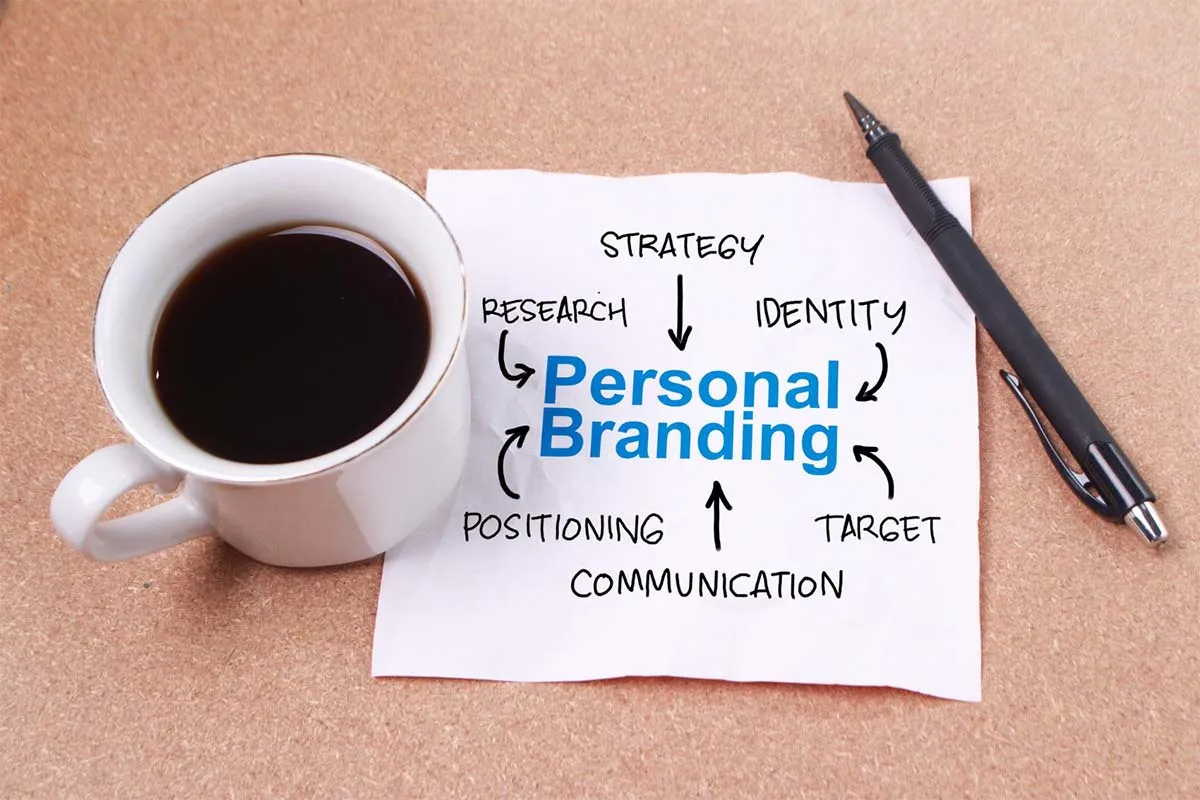
Marketing for Mental Health Professionals and Personal Branding
Patients don’t just choose a practice. They often choose a person. That’s why marketing for mental health professionals increasingly centers on the individual clinician, not just the practice name on the sign.
A psychiatrist who shares short, useful posts about medication myths, or a therapist who speaks at a local community event, builds recognition that a logo alone never will. This kind of Personal Branding for Doctors work takes time, but it compounds. A single well-known clinician can become the reason patients choose one practice over five others in the same zip code.
Practical steps that work without eating up a clinician’s whole week:
- Keep one professional bio consistent across the website, Google Business Profile, and Psychology Today listing
- Publish one short piece of original content each month, even if it’s just a two-paragraph reflection
- Respond personally to a handful of patient reviews, without breaking confidentiality
- Show up, even briefly, at one community or professional event per quarter
Advertising mental health services around a named clinician, rather than an anonymous practice, tends to earn more trust from people who are already anxious about reaching out for the first time. Psychiatry marketing that puts a real face and voice behind the practice consistently outperforms marketing built only around a logo, and it’s one of the clearest examples of marketing for mental health professionals paying off over the long run.

Mental Health Marketing Strategies for Referral and Reputation Building
Referrals remain the single strongest source of new patients for most mental health practices, and mental health marketing strategies that ignore this leave real growth on the table. A patient who arrives because their doctor or a trusted friend sent them usually converts faster and stays in treatment longer than one who found the practice cold through an ad.
Reputation is the online extension of referral trust. Before someone calls, they check reviews. A Healthcare Reputation Management approach that asks satisfied patients for reviews, responds to feedback professionally, and keeps listings accurate across Google, Healthgrades, and Psychology Today directly supports every other channel in the mix.
Among marketing strategies for mental health providers, reputation work is often the most neglected, even though it costs the least and does the most to reassure a hesitant first-time caller. A few habits worth building into the practice routine:
- Ask for a review after a positive milestone in treatment, not at the first visit
- Respond to every review, even a difficult one, calmly and without revealing any patient details
- Build a short list of referring providers and check in with them twice a year
- Track where new patients heard about the practice, so referral sources that work get more attention
Mental health marketing agency provide an opportunity to combine strong referral relationships with active reputation management create a kind of momentum that paid ads alone can’t match. Each satisfied patient becomes a quiet advocate, and each five-star review makes the next hesitant visitor a little more willing to make the call. A clear Patient Acquisition Strategy ties all of this together so growth doesn’t depend on any single channel, and psychiatry marketing benefits the same way once a steady flow of reviews and referrals is in place.
Mental Health Marketing Strategies related FAQs
Can mental health marketing strategies work for newly established practices?
Yes. New practices benefit most from local SEO, a complete Google Business Profile, and referral outreach to nearby primary care offices, since these build visibility quickly without requiring a large ad budget or an existing patient base. Even a handful of low-cost mental health marketing ideas, applied consistently, can outperform a scattered approach in the first year.
How can mental health marketing strategies help practices build patient trust?
Clear, honest content written by named clinicians, paired with visible reviews and consistent messaging across every channel, helps anxious visitors feel confident enough to book a first appointment.
How frequently should mental health marketing strategies be reviewed?
A quarterly review works well for most practices. This gives enough time to see real results from content and ads, while still catching underperforming marketing strategies for behavioral health before too much budget is wasted.
Can mental health marketing strategies support long-term patient retention?
Yes. Newsletters, educational content, and follow-up outreach keep the relationship active between sessions, which supports both retention and word-of-mouth referrals over time.
Can mental health marketing strategies be managed by an internal team?
Small practices often manage basics like Google Business Profile updates internally, but SEO, paid ads, and content at scale usually work better with outside expertise, since these require ongoing time most clinical teams don’t have. This is especially true for psychiatry marketing, which often involves stricter compliance review before content goes live.
Conclusion
Mental healthcare marketing strategies work best when they mirror the same qualities that make good therapy work patience, honesty, and attention to the specific person in front of you. Whether the focus is advertising mental health services, refining marketing strategies for mental health providers, or simply keeping a Google Business Profile up to date, small consistent steps beat a big campaign that fades after a month. A Best Healthcare Marketing Agency that understands this niche can help a practice build the SEO, content, and reputation systems needed to reach people at the moment they’re ready to ask for help, without ever losing the human tone that made someone trust the practice in the first place.

Samantha Leonie