Revision History
Updated publication: Nov 5, 2026
Author: Samantha Leonie
Original Publication: Nov 5, 2026
Author: Samantha Leonie
Healthcare Marketing Blogs – MediVerticals


Pain management marketing ideas matter more now than they did five years ago. The CDC estimates that 51.6 million U.S. adults lived with chronic pain in 2021, and about 17.1 million had pain that limited daily activities. That is a significant number of people searching for relief, and many struggle to find a specialist whose services, experience, and approach meet their needs. Patients are cautious about opioids; they compare clinics online, and they usually start with a symptom search, not a doctor’s name. If your clinic is not showing up with clear, trustworthy answers at that moment, a competitor’s page will do the job instead.
Pain management marketing ideas work best when they feel helpful rather than promotional. This guide walks through 20 practical strategies for pain clinic marketing, grouped into 10 areas you can act on this quarter. Each one is built for U.S. practices that want steady patient inquiries without risky claims or privacy slip-ups.
Some ideas cost nothing but time. Others need a budget and a clear plan. Pick the ones that fit your capacity, because a full schedule with no room for new patients solves nothing. Read it once, then use it as a working pain management marketing plan.

Most pain practices describe themselves the same way: compassionate, experienced, and patient-focused. None of that helps a patient choose. Pain clinic marketing ideas work when they are built on one specific angle, such as interventional procedures, non-opioid options, sports injuries, or post-surgical pain. If you offer injections, nerve blockers, PRP, or regenerative care, describe how each works in neutral language, without implying a result. Use the same wording on your site, listings, and front desk script so patients hear one consistent story. Clear positioning also tells referring physicians exactly when to send someone your way and makes pain management practice marketing more effective.
Google holds medical content to stricter quality standards than other niches, so anonymous pages struggle. Give every clinical page a named author with relevant qualifications and credentials, a “medically reviewed by” line, and a visible last-updated date. Build provider bios that list board certifications, fellowship training, and the conditions each doctor treats, using real photos instead of stock images. Link every statistic to its source. This is the practical side of pain management practice marketing, and it maps directly to experience, expertise, authoritativeness, and trust (EEAT). It also eases the nervousness many patients feel before an injection, because they already know who will treat them.
Many local patients see your profile before they ever reach your website.
For pain management practice marketing, this listing is usually the quickest win, since it costs nothing and feeds the “near me” searches people make when pain is already interrupting their day.

Keep your clinic name, address, and phone number identical across directories, insurer lists, and hospital pages, since small mismatches confuse both search engines and patients. Then give each location a dedicated page with directions, parking details, the providers on site, and the conditions treated there. Use the phrases people type, like “back pain specialist in [city].”
A qualified healthcare SEO agency can audit citations and your page structure if your team lacks time.

Pain management digital marketing works when each stage gets its own keywords, content, and next step: a symptom guide, a treatment explainer, or a consultation form. Without that map, practices push booking buttons at people who are still learning, or bury ready-to-book patients under long articles. Plan one sample keyword and one message per stage. The three funnel stages are:
Symptom searches are often spoken into a phone or typed as full questions, and AI-generated summaries now pull from pages that answer them directly.
This is one of the most overlooked pain management digital marketing ideas, yet it gives clinics a real shot at featured snippets. Keep every answer cautious and accurate.
Each marketing channel has different costs, timelines, and strengths. Here’s a quick look at how each one compares.
For most practices, the best approach is a mix. Pair a quick channel like Google Ads with slower ones like SEO and referrals, which keep working long after the work is done.
Strong marketing ideas for pain management often begin with a blog that answers what patients already ask: why sciatica flares up, how a nerve blocker works, what a first visit involves, and how long recovery might take. Have a physician review each article, cite a source for every statistic, and avoid words like “cure” or “guaranteed.” Patients read widely before they book, and an honest guide earns trust long before a phone call happens.
If your team cannot publish consistently, a healthcare content marketing agency can build your content calendar and keep clinical quality steady.

One researched article can become a patient newsletter, a 90-second explainer, and several social snippets. Email is the most overlooked channel in the category; even though pain can return after treatment, a thoughtful check-in keeps your clinic top of mind. Video of your physicians explaining a procedure in plain terms humanizes the practice and lowers anxiety. Record it in your own office with simple scripts. This facilitates your budget when marketing a pain management practice, and it means you are not inventing something new every week. Where treatment outcomes are discussed, explain that individual results vary and depend on clinical circumstances.
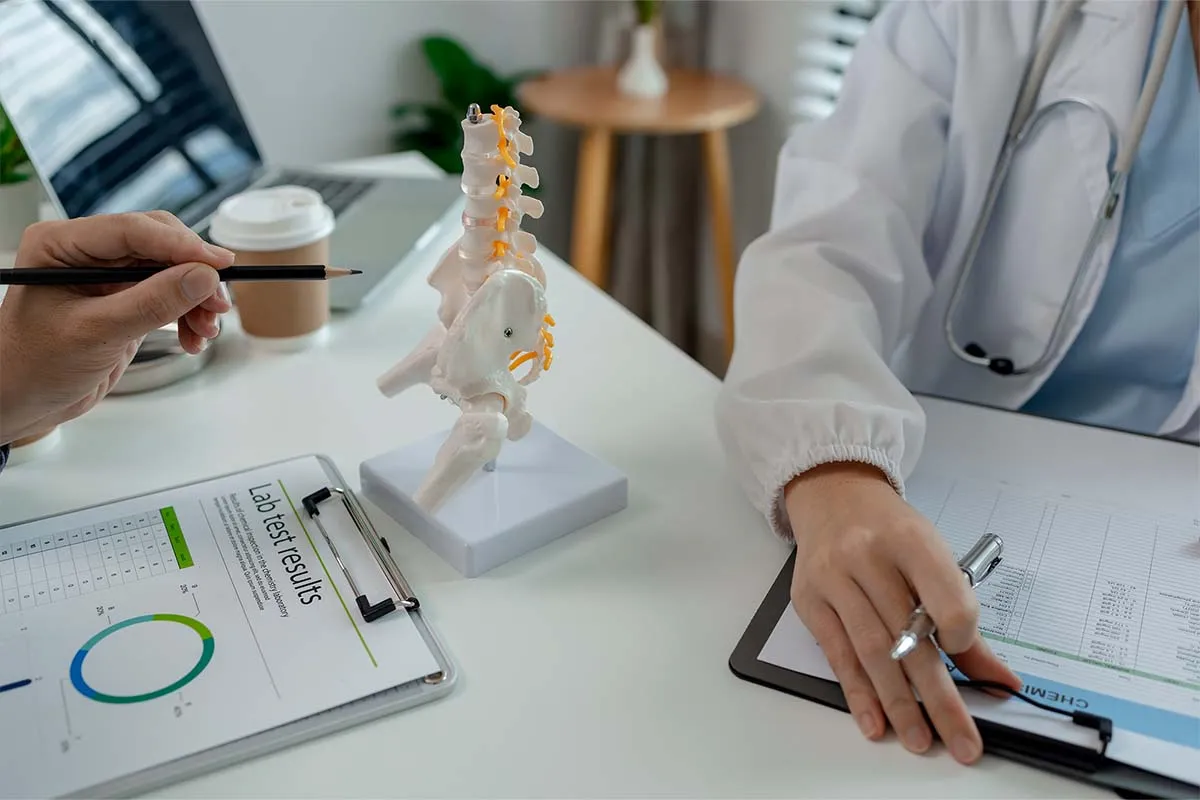
Your pain clinic marketing strategy becomes less effective when every service is listed on one generic page. Local SEO guides tell clinics to build pages for conditions like herniated disc, sciatica, and chronic pain, and few explain how. Give each page a clear structure:
People often arrive on your site while hurting, so friction costs you patients. Make pages load fast on mobile, keep the phone number clickable, and let people schedule in a few steps. Say clearly which insurance and Medicare plans you accept and whether a referral is needed. Keep intake forms secure and HIPAA-compliant. Practices that follow a clear pain management marketing plan test these details regularly, because one confusing form field can cost a patient who was ready to call. Test your booking process on a mobile device this week and note every resistance.
The strongest pain advertising names real moments: mowing the lawn, playing with grandkids, sleeping through the night. Generic lines like “find relief today” disappear next to them. Pair a specific benefit with a clear offer, such as a free consultation or an imaging review, and a practical differentiator like accepting Medicare or requiring no referral. Use real photos of your clinic and team, not stock models. Skip words like “cure” and “guaranteed” entirely. Ad targeting is also less precise than platforms suggest, so write copy that qualifies the right reader instead of relying on the algorithm alone.

Healthcare ads come with more rules than most industries, and they cover two areas:
Google, Meta, and analytics providers each have their own policies on health-related content, audience targeting, and data collection, and those policies change often. Avoid uploading patient lists or building audiences around diagnoses, treatment history, or other sensitive health details unless that specific use has been reviewed and approved. Keep protected health information (PHI) and patient identifiers out of ad pixels, analytics tags, URLs, and conversion-tracking events, since even a form submission or page URL can reveal more than you intend.
Ask your privacy or compliance officer whether you need a business associate agreement (BAA). You can still run effective campaigns by targeting by location, bidding on general service-related search terms, and publishing accurate educational content. A good pain management marketing strategy protects patient privacy while helping people find accurate information about your practice.

A solid pain management marketing plan for Google Ads starts with searches like “pain clinic near me,” “epidural injection specialist,” and “sciatica treatment [city].” Group keywords by service so each ad group tells one story.
A sample ad might read: “Back Pain Specialist in [City] | Free Consultation | Medicare Accepted | No Referral Needed,” as long as every claim is true for your clinic. Send it to the back pain page, not your homepage. Add call and location assets for one-tap contact. Use negative keywords to block job seekers and free-advice searches, and review search term reports weekly early on.
Set a sustainable budget for at least three to six months, giving campaigns enough time to gather data and optimize performance. Log calls, new leads, and booked appointments, and choose call tracking that meets privacy requirements. Remember that a low cost per lead can be misleading if those leads rarely turn into booked consultations. Successful pain management marketing does not overlook Google Ads, but rather factors in that marketing along with local SEO, reviews, and referral marketing.
Pain clinic marketing on Facebook, Instagram, and YouTube works when posts teach something useful. Share short videos on what a nerve block involves, how to prepare for a first visit, or common myths about back pain. Introduce your providers so the clinic feels familiar before anyone walks in. Answer comments with care, but never offer individual medical advice in public threads. Invite people to call or message the office instead. Even two or three posts a week beats a burst of activity followed by silence. Many competitor guides skip video entirely, so a steady, human presence can set you apart.

Reviews influence which clinic a patient calls, so ask for them regularly with a direct link sent after a visit. Do not offer incentives or pressure anyone, and reply to every review without confirming that the reviewer was a patient. For video or written testimonials, get written patient authorization first and avoid anything implying guaranteed results. Add a plain note that experiences vary. Patient reviews should be monitored every month because consistent, honest feedback can help prospective patients understand the experiences of others.

Any pain management marketing plan should include what happens once the patient leaves. Send appointment reminders, simple aftercare instructions approved by your clinicians, and a short check-in message a few weeks later. Use secure channels for anything involving health details. Offer an occasional newsletter with general wellness education and clinic news. Patients with long-term conditions often need ongoing care, and a clinic that stays helpful without being pushy is the one they remember. Retention also lowers acquisition costs, because a returning patient needs no ad click to find you.
Primary care doctors, orthopedic surgeons, physical therapists, and chiropractors see people in pain every day, yet many marketing guides ignore them. Create a short referral packet that explains your services, conditions treated, insurance accepted, and how quickly new patients can be seen. Visit offices in person when you can, and send consult summaries back promptly so referring providers stay informed. If it suits your audience, add attorney referral outreach for injury cases. Strong pain management practice marketing treats referrers as partners, not leads, and a strong relationship can be worth more than a month of ad spend.
Clicks and impressions are fine, but pain management marketing ideas only prove their value when they lead to appointments. Watch cost per lead, cost per booked consultation, call conversion rate, show rate, and review velocity. Put them in a simple monthly table so your team can spot patterns quickly. Note which channel brought each caller, and ask new patients how they found you. Compare results month over month instead of reacting to a single bad week. Numbers become useful when someone owns them and reviews them on a schedule.
Call tracking, scheduling data, and your practice management system should tell one story. If leads are arriving but appointments are not being booked, the problem may be phone handling or capacity, not the campaign. Record calls only where your privacy rules allow it, and train staff to respond quickly and warmly. Share results with your clinical team every month. Pain management clinic marketing becomes a feedback loop: measure, adjust, and repeat. Keep tracking free of protected health information, and revisit your setup whenever platform policies change.
Pain management marketing ideas help patients find you when they are searching for answers. Most people compare clinics online before calling, so visibility and trust shape who gets the appointment. Consistent marketing also keeps your schedule steady and supports referral relationships. Without it, skilled practices can stay unnoticed.
A new practice should first claim its Google Business Profile, build a variety of “dedicated pages”, invite patients to share honest feedback, regardless of their experience, and build referral links before spending a lot of advertising dollars. Be sure to add numerical objectives like the count of consultations booked each month. A focused, measurable marketing plan is more useful than a large campaign without clear objectives.
Yes. Interventional practices can include procedures like radiofrequency ablation, nerve blocks, and epidural injections, and discuss who may be a good candidate and what to expect during a visit. Write individual pages and ads for each service, and be factual in the language. Avoid outcome promises. Building relationships with primary care physicians and other relevant specialists can also support referrals.
Start with low-cost basics: a complete Google Business Profile, accurate directory listings, a review request process, and two or three strong condition pages. Add physician outreach and a monthly email. Once those foundations work, test a small Google Ads budget. Marketing ideas for pain management work on any budget when you do fewer things well.
Agencies should connect spend to booked and completed consultations, not just clicks. Track cost per lead, cost per booked consult, and show rate. Use call tracking and form data without passing sensitive health details. Pain management digital marketing reporting should be simple enough that practice owners understand it at a glance.
Growing a practice takes more than a single strategy. These 20 strategies work best together: a clear brand, strong local presence, useful content, a conversion-ready website, compliant ads, steady follow-up, and honest measurement. Start with the ideas your team can realistically manage, then build from there. Pain management digital marketing rewards patience, and the clinics that stay consistent usually pull ahead. If you want expert help building a pain management clinic marketing system that fits your goals and your compliance needs, MediVerticals can guide the strategy. Contact us to discuss a marketing strategy for your pain management practice.

No authors found.